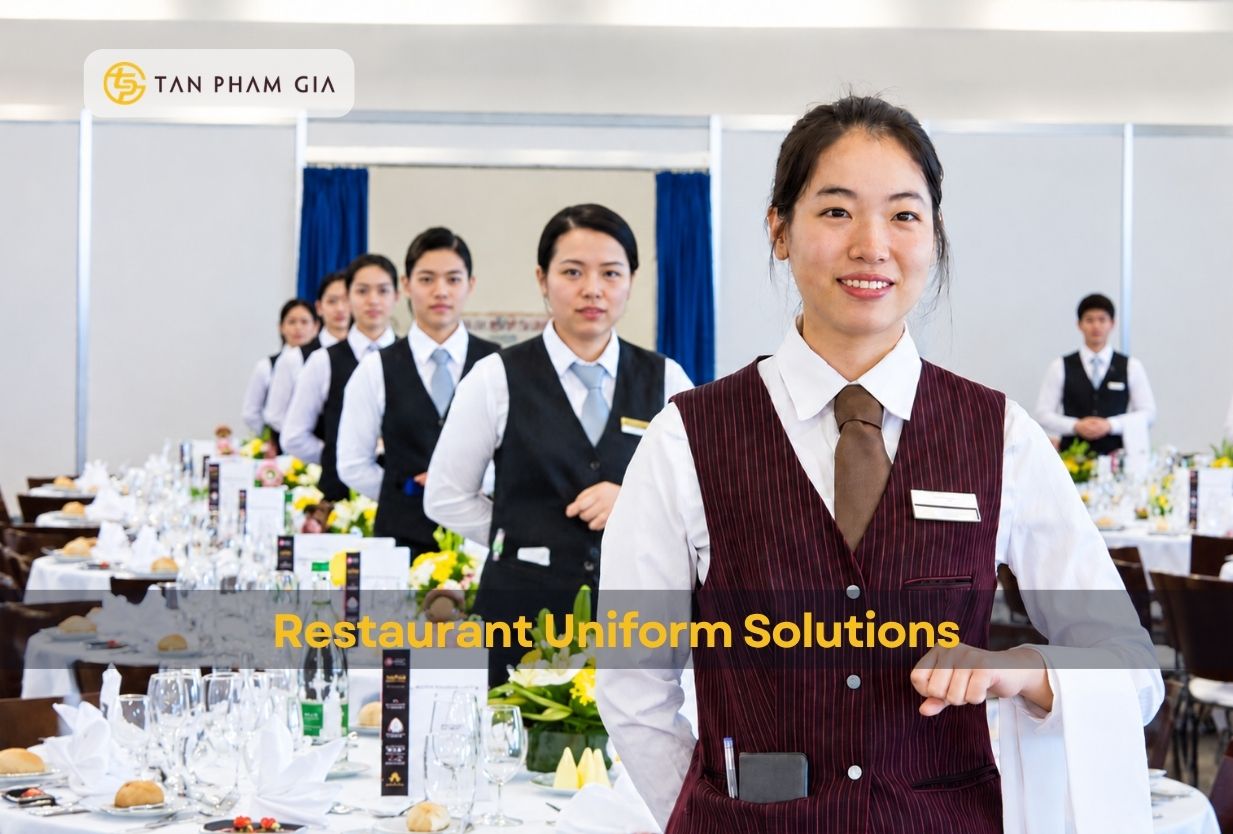
A successful restaurant depends on more than the quality of its food. The way employees present themselves also plays an important role in shaping the guest experience. Restaurant uniforms are an often-overlooked but highly visible part of that experience, from the moment guests walk through the door until they leave. This guide covers the key considerations for restaurant uniform manufacturing, including how to choose uniforms by job role, fabric selection, design requirements, cost factors, and the bulk production process at Tan Pham Gia Uniform.
Why Are Restaurant Uniforms Important?
Before exploring styles and production costs, it is important to understand why restaurant employee uniforms should be considered an operational and brand investment rather than simply an additional expense.
Create a Professional and Consistent Restaurant Image
When managers, hosts, servers, and other employees wear coordinated uniforms, the overall appearance of the restaurant immediately becomes more organized and professional. This consistency comes from several elements:
- Consistent colors across departments.
- Properly proportioned garment fits.
- Fabrics that maintain a neat appearance throughout the shift.
- Standardized accessories such as bow ties, neckties, and name badges.
Guests may not consciously identify every detail, but they can recognize the difference between a team with a clearly defined appearance and one without a consistent uniform standard. This is why restaurant uniform planning is often addressed during the preparation stage before a restaurant opens.
Build Brand Recognition
When a restaurant logo, brand name, and signature colors are incorporated into employee uniforms, the garments become a consistent visual touchpoint throughout the guest experience. Every time employees move through the dining area, the brand is reinforced naturally through repeated visual exposure.
Compared with other marketing channels, restaurant uniforms offer several practical advantages:
- A one-time uniform investment can support brand visibility throughout the garment lifecycle.
- Brand visibility does not depend on digital platforms or advertising algorithms.
- Uniforms can extend brand exposure beyond the restaurant through deliveries, events, and other activities.
For restaurant groups and F&B chains, maintaining consistent uniform specifications across locations can further strengthen brand recognition as the business expands.
Help Employees Feel Comfortable and Connected
The comfort and fit of restaurant uniforms can directly affect how employees perform during long and busy shifts. A properly designed restaurant uniform with suitable fabric and fit can help employees:
- Move comfortably during peak service periods.
- Maintain a neat appearance throughout a long shift.
- Feel that the company has invested in their working experience.
- Develop a stronger sense of team identity through a shared uniform.
Poorly designed uniforms, on the other hand, can restrict movement or become uncomfortable during extended wear. For this reason, Tan Pham Gia prioritizes fabric, fit, and garment construction before discussing production costs.
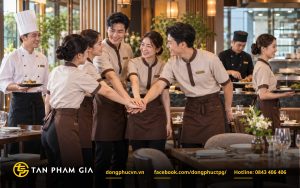
Clearly Differentiate Roles and Departments
In a medium-sized or large restaurant, guests and managers need to be able to distinguish managers, hosts, servers, chefs, and other staff members. Role-based uniforms can help:
Guests identify the appropriate employee when they need assistance.
Managers recognize different teams during daily operations.
New employees quickly identify colleagues by role.
Department-specific uniforms therefore serve more than an aesthetic purpose. They can also support day-to-day restaurant operations and workforce management.
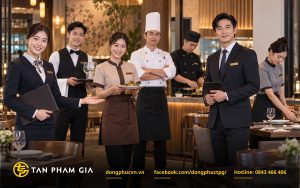
How to Choose Restaurant Uniforms by Job Role?
Different restaurant positions have different working requirements and customer-facing responsibilities. A single uniform design is therefore not always suitable for the entire team.
Restaurant Manager Uniforms
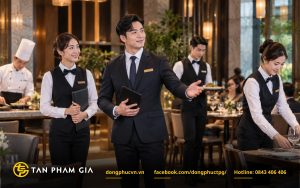
Restaurant managers oversee daily operations and interact with both employees and guests, so their uniforms should communicate authority and professionalism.
Common options include:
- Tailored blazers with trousers or skirts.
- Long-sleeve uniform shirts with a waistcoat.
- Formal shirt-and-waistcoat combinations without a full suit.
- Coordinated accessories such as ties or bow ties.
The appropriate level of formality depends on the restaurant concept, service model, and working environment.
For more casual restaurants, fast-food concepts, and casual dining businesses, managers may wear polo shirts with tailored trousers to maintain a polished but approachable appearance.
Restaurant Host / Reception Uniforms
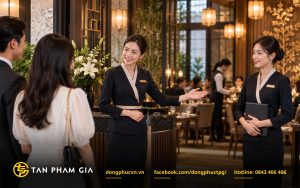
Hosts and reception staff are often the first employees guests encounter, making their appearance particularly important.
Host uniforms should remain practical and comfortable enough for greeting guests, managing reservations, and moving around the reception area.
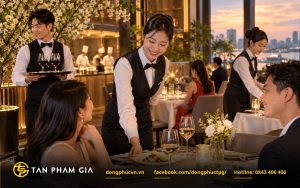
Restaurant Server Uniforms
Restaurant servers move continuously throughout their shifts, from greeting guests to taking orders and delivering food. Comfort and mobility should therefore be prioritized alongside appearance. Common options include:
- Uniform polo shirts.
- Short- or long-sleeve uniform shirts.
- Mandarin-collar shirts.
- Crew-neck T-shirts.
- Shirts paired with waistcoats.
- Shirts or polos paired with short or long aprons with functional pockets.
These styles share a common focus on mobility and minimizing unnecessary details that could interfere with serving tasks. Restaurants can select one style or combine several uniform configurations depending on their concept and operational requirements.
Chef and Kitchen Staff Uniforms
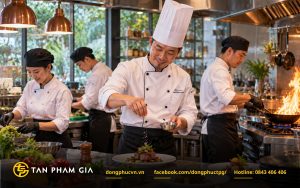
Kitchen uniforms should clearly distinguish chefs and kitchen assistants while maintaining a coordinated appearance across the kitchen team.
Differences can be introduced through:
- Shirt colors.
- Collar or trim details.
- Chef hat styles.
- Neck scarves.
- Bib aprons.
These details can help establish role differentiation within the kitchen and support smoother coordination among team members.
Fabric selection is also important. Kitchen uniforms should be practical for environments involving heat, food preparation, frequent movement, and repeated washing. Suitable fabrics should provide comfort and durability while being easy to maintain.
Bartender and Beverage Staff Uniforms
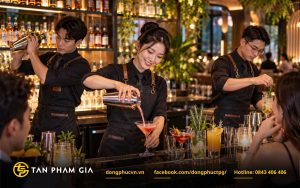
Bar areas often have a more contemporary and relaxed atmosphere than the main dining area. Depending on the concept, beverage staff may wear:
- Shirts with waistcoats.
- Polo shirts in neutral colors.
- Fitted short aprons that minimize interference during beverage preparation.
The right option depends on whether the bar concept is formal, premium, modern, or casual.
Restaurant Cleaning and Utility Staff Uniforms
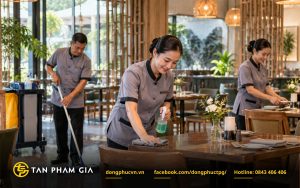
Although cleaning and utility staff may have less direct guest interaction, dedicated uniforms still help maintain consistency across the restaurant team. Key priorities include:
- Breathable and comfortable fabrics.
- Easy cleaning and maintenance.
- Simple designs with minimal unnecessary details.
- Practical colors that suit the working environment.
These uniforms may not be part of the restaurant’s customer-facing image, but they still contribute to a consistent and organized workforce appearance.
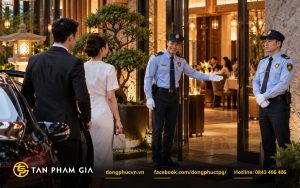
Restaurant Security Uniforms
Security personnel are responsible for maintaining security around both the interior and exterior areas of the restaurant.
Their uniforms should communicate a clear and professional appearance. Common components include:
- Kaki trousers.
- Short- or long-sleeve shirts.
- Caps or other headwear.
- Name badges or identification patches.
- Additional identification details where required.
Security uniforms generally use darker colors such as navy or dark gray, which can create a more authoritative appearance and are practical for outdoor duties.
For larger restaurants or restaurants located within hotels or large hospitality complexes, additional role-identification details may be incorporated into the uniform system.
Restaurant Waistcoat Uniforms
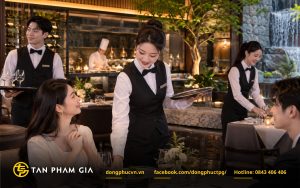
Waistcoats are versatile pieces that can be used for hosts, servers, bartenders, or managers rather than being limited to a single department.
Their sleeveless construction provides freedom of movement while allowing employees to wear a more structured layer over a uniform shirt.
Waistcoats can also adapt to seasonal requirements. During warmer periods, employees can remove the waistcoat while maintaining a coordinated shirt underneath. For more formal occasions, combining a waistcoat with a tie or bow tie can create a more refined appearance.
Restaurant Uniforms by Business Model and Cuisine Concept
Job role is only one factor when selecting restaurant uniforms. The service model, interior concept, and culinary style also influence the appropriate uniform design. A fine-dining restaurant, for example, requires a different visual language from a casual BBQ restaurant or fast-food concept.
Fine-Dining Restaurant Uniforms
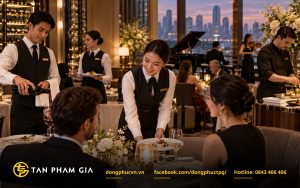
Fine-dining restaurants typically place greater emphasis on refined and coordinated presentation because the visual experience forms an important part of the overall dining environment. Common uniform elements include:
- Dress shirts.
- Tailored blazers.
- Waistcoats.
- Long aprons.
- Coordinated ties or bow ties.
- Common color palettes include black, white, navy, and burgundy.
For premium restaurant uniforms, logos are generally kept subtle and proportionate rather than displayed as large graphic prints. Embroidered logos can provide a refined branding solution when appropriate. Uniform fits should also be developed separately for men and women to achieve a more balanced and professional appearance.
Buffet Restaurant Uniforms
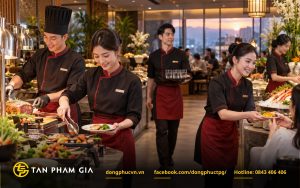
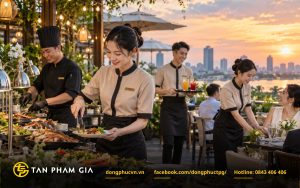
Buffet employees frequently move between service areas, dining areas, and food stations. Uniform polo shirts or mandarin-collar shirts paired with aprons can therefore be more practical than highly structured formal uniforms.
Fabrics should be breathable, easy to maintain, and suitable for frequent movement throughout long shifts.
Some buffet restaurants use different shirt colors to identify areas such as hot food, cold food, beverages, and cashier stations. This can help managers coordinate staff while making different service teams easier for guests to identify.
BBQ and Hot-Pot Restaurant Uniforms
BBQ and hot-pot environments can involve heat, smoke, food odors, and frequent exposure to grease. Uniforms should therefore prioritize easy-care fabrics and practical darker colors. Polo shirts, mandarin-collar shirts, or uniform T-shirts combined with short aprons can provide greater freedom of movement between closely positioned dining tables and cooking stations.
Brand colors can still be incorporated through collar, sleeve, or shoulder details without making the uniform unnecessarily complex. The objective is to balance durability and practicality with a professional appearance.
Seafood Restaurant Uniforms
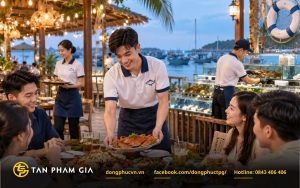
Seafood restaurants often use fresh and contemporary visual themes inspired by coastal environments. Common colors include: blue, navy, white, beige.
Polo shirts and short-sleeve shirts paired with aprons are common for mid-range concepts, while premium seafood restaurants may introduce blazers or waistcoats for management and host teams. Color selection can support both the restaurant atmosphere and its intended market positioning.
Japanese Restaurant Uniforms
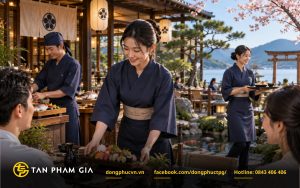
Minimalist designs and understated colors are common characteristics of Japanese-inspired restaurant uniforms. Potential design elements include:
- Cross-over collar shirts.
- Mandarin-collar shirts.
- Long aprons.
- Modernized kimono-inspired garments.
The design should remain practical for daily service while retaining the visual character associated with the restaurant concept.
Decorative details should generally be kept restrained, with subtle piping, plackets, or small logos used to maintain a clean appearance.
Red and black can be used as accent or primary colors where they align with the restaurant’s brand identity.
Korean Restaurant Uniforms
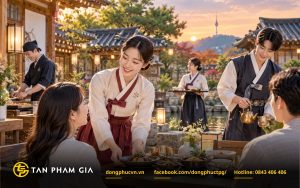
Contemporary Korean restaurants in Vietnam often favor youthful and modern uniform styles, including polo shirts, T-shirts, and shirts in distinctive brand colors.
Restaurants with a more traditional concept may incorporate modernized designs inspired by Korean traditional clothing.
For Korean BBQ restaurants, quick-drying and easy-care fabrics can be particularly practical because employees are frequently exposed to smoke, heat, and grease.
Aprons should provide adequate coverage while allowing employees to move comfortably between tables.
Chinese Restaurant Uniforms
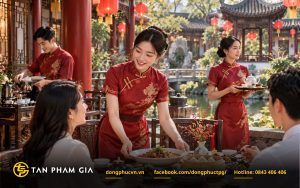
Chinese-inspired restaurant uniforms can incorporate elements inspired by traditional garments, including mandarin collars, modernized qipao-inspired silhouettes, or other culturally influenced details.
Premium fabrics may be selected for more formal restaurant concepts where garment appearance and detailing are important.
Common color directions include red, gold, and black, depending on the brand concept. Embroidered or textured decorative details can also be incorporated where appropriate.
The overall design should balance cultural inspiration with practical requirements for daily restaurant operations.
Vietnamese Restaurant Uniforms
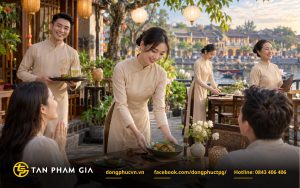
Vietnamese restaurants can incorporate culturally recognizable garments such as ao dai, ao ba ba, or modernized ao dai designs.
These styles can help communicate Vietnamese cultural identity to both local and international guests while creating a warm and approachable restaurant atmosphere.
For more contemporary concepts, restaurants can combine modern T-shirts or polos with subtle traditional details. Modernized ao dai designs can also provide greater freedom of movement than traditional silhouettes.
The balance between cultural identity and everyday practicality is particularly important for restaurant staff who spend most of their shifts moving between tables.
Casual Restaurants and F&B Chains
For casual restaurants, practicality, ease of maintenance, and production efficiency are often key considerations.
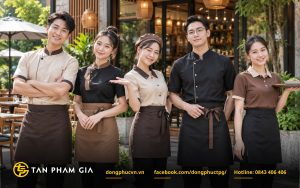
Polo shirts or crew-neck T-shirts combined with aprons are common options for businesses that require a practical uniform system for larger teams.
For restaurant chains with multiple locations, standardization should be established from the beginning, including:
- Approved garment designs.
- Color codes.
- Size specifications.
- Logo placement and dimensions.
- Fabric specifications.
A standardized uniform specification makes future replenishment easier and helps maintain brand consistency across locations.
What Fabrics Are Commonly Used for Restaurant Uniforms?
From a professional uniform manufacturing perspective, fabric selection has a direct impact on garment durability, comfort, appearance, and maintenance requirements. Below are fabric options commonly considered for restaurant and hospitality uniforms.
TPG Fabric Collection™ by Tan Pham Gia
The TPG Fabric Collection™ offers a range of fabric options developed for different uniform applications and working environments. Each material has its own composition and GSM, giving businesses a basis for selecting fabrics according to the requirements of different employee groups.
The range of materials within the TPG Fabric Collection™ allows restaurant businesses to select fabrics according to garment type, working environment, comfort requirements, and desired appearance.
For example, different fabrics may be considered for polo shirts, management uniforms, customer-facing shirts, or garments used in more demanding kitchen environments.
Kate Fabric
Kate fabrics are commonly used for uniform shirts because they offer a smooth surface, practical durability, and comfortable everyday wear.
Different Kate fabric grades have different performance and cost characteristics. Kate My and Kate Silk can therefore be evaluated according to the restaurant concept, uniform requirements, and production plan.
These fabrics are commonly considered for host, reception, service, and other shirt-based restaurant uniforms.
Kaki Fabric
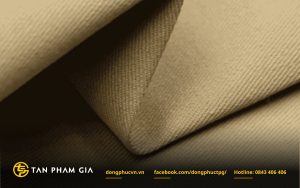
Kaki fabrics are durable and structured, making them suitable for trousers, skirts, aprons, and selected workwear applications.
Stretch Kaki incorporates stretch fibers to provide greater freedom of movement, making it useful for employees who move frequently, such as servers and kitchen staff.
65/35 Kaki offers a more structured construction and can be considered for aprons and garments requiring greater durability against regular friction and use.
Cool-Feel Cotton Fabric
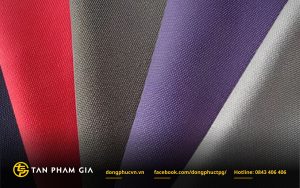
Cool-feel cotton-style fabrics are commonly used for T-shirts and polo shirts where a smooth hand feel and a cool sensation are desired.
These fabrics can be suitable for restaurant environments where employees need comfortable garments during active shifts.
Easy-care characteristics and color retention can also be relevant for F&B uniforms that are washed frequently.

Snow Cotton Fabric
Snow Cotton is a blended fabric option that can provide stretch, comfort, and practical everyday performance.
It can be considered for restaurant T-shirts or uniform shirts where a comfortable hand feel and resistance to pilling and wrinkling are priorities.
Its practical characteristics make it suitable for uniforms that experience frequent wear and washing.
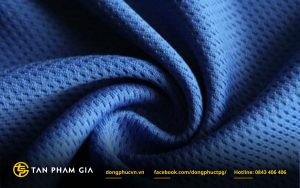
65/35 Pique Fabric
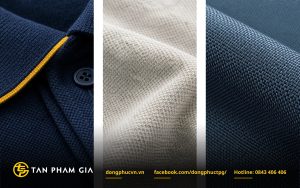
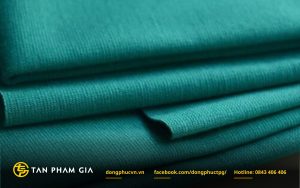
65/35 Pique is a knitted fabric with a distinctive pique texture, combining cotton and polyester fibers.
It is commonly used for polo shirts because it can provide a structured collar and sleeve appearance while remaining comfortable during active work.
The fabric can be considered for servers, bartenders, and other restaurant employees who need a balance between appearance, comfort, and durability.
Vitex Fabric
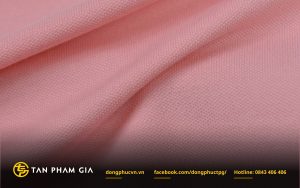
Vitex, also commonly referred to as a ponte-style or structured knit fabric in some applications, offers a relatively firm hand feel with moderate stretch.
It can be suitable for tailored trousers, straight-leg trousers, A-line skirts, and pencil skirts where shape retention is important.
Its structured appearance and practical care characteristics make it useful for polished restaurant uniforms.
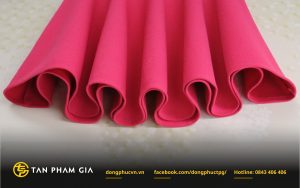
Odor-Control Polyester Fabric
Odor-control polyester fabrics can be considered for kitchen uniforms and aprons where easy maintenance, durability, and resistance to stains or odors are important.
Kitchen and restaurant uniforms are exposed to frequent washing, food preparation, grease, and demanding working conditions. A durable easy-care fabric can therefore support longer garment use and more practical uniform maintenance.
Restaurant Uniform Pricing: What Affects the Cost?
Many restaurant owners want to know the exact cost of custom uniforms. However, there is no single price that applies to every project because production costs depend on the actual specifications of each order.
Cost of Restaurant Server Uniforms
Server uniform costs are influenced by fabric selection, garment construction, design details, order quantity, and branding requirements.
For example, a shirt with multiple color-blocking details may require more production operations than a simple T-shirt or polo shirt.
Businesses can contact Tan Pham Gia via Hotline / Zalo: 0843 406 406 to discuss their requirements and receive a project-specific quotation.

Chef and Kitchen Uniform Costs
Kitchen uniforms can involve multiple components, including chef jackets, hats, aprons, and neck scarves.
Fabric selection also affects production requirements. More durable or specialized fabrics may be considered for kitchens with intensive daily operations and frequent washing.
Design differences between executive chefs and kitchen assistants can also affect the final production specifications.
Businesses can contact Tan Pham Gia via Hotline / Zalo: 0843 406 406 for detailed consultation based on their kitchen uniform requirements.
Restaurant Manager Uniform Costs
Management uniforms may require more structured construction and premium materials than basic service uniforms.
Blazers, suits, tailored dresses, and layered garments typically involve more complex pattern development and sewing operations than basic polos or shirts.
Businesses should provide their required styles, quantities, fabrics, and branding specifications so Tan Pham Gia can develop an appropriate project quotation.
Factors Affecting Restaurant Uniform Costs
In addition to job-specific requirements, overall restaurant uniform costs can be affected by:
- Fabric: Imported or premium fabrics may have different costs from locally produced materials.
- Order quantity: Larger production runs can improve production efficiency and spread fixed setup costs across more garments.
- Logo application: Screen printing, heat transfer, and computerized embroidery have different production requirements.
- Design complexity: Simple garments generally require fewer production operations than garments with multiple panels, color combinations, slits, or layered construction.
- Production schedule: Urgent orders may require additional production arrangements depending on capacity and timing.
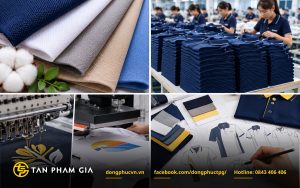
These factors typically interact rather than affecting the final cost independently.
For this reason, businesses should avoid relying on generic online price lists when planning a large uniform project. Contact Tan Pham Gia via Zalo 0843 406 406 or the contact form to receive a quotation based on actual fabric, quantity, design, and branding requirements.
Key Criteria for Designing Restaurant Uniforms
A successful restaurant uniform should combine visual appeal with comfort, functionality, brand consistency, and ease of maintenance.
Choose Stretch and Moisture-Management Fabrics
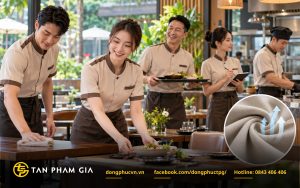
Restaurant employees often move continuously throughout their shifts. Fabrics should therefore provide appropriate stretch, breathability, and moisture management for the working environment.
Pique, cool-feel fabrics, and Stretch Kaki can be considered for roles that require frequent movement. Choosing a fabric without considering mobility can make uniforms restrictive and uncomfortable during peak service periods.
Align Uniforms With the Restaurant Concept and Brand Colors
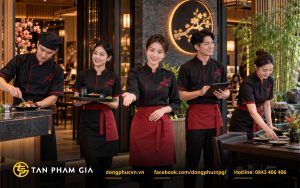
Uniform colors should complement the restaurant’s brand palette and interior concept to create a consistent visual experience.
Vietnamese restaurants may incorporate ao dài or ao ba ba-inspired elements, while European-style or fine-dining restaurants may use shirts, blazers, waistcoats, and tailored trousers or skirts.
Consistency should extend beyond color to fabric, silhouette, accessories, and overall garment styling.
Choose the Right Size and Fit
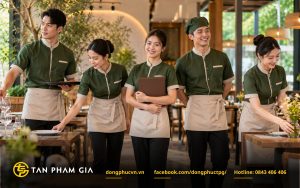
Restaurant uniforms should fit the wearer properly without being excessively loose or restrictive.
A standardized size chart for both male and female employees can improve production accuracy and simplify future replenishment.
For larger restaurant teams, providing sample sizes for employees to try before bulk production can help reduce fit-related issues after manufacturing.
Ensure Sharp and Consistent Logo Application
Logo size, placement, and application technique should be carefully considered to balance brand visibility with the overall garment design.
Computerized embroidery can be suitable for premium uniforms where durability and a refined appearance are important.
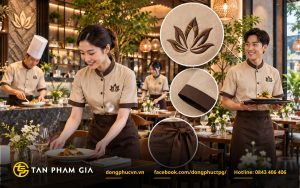
In addition to the traditional left-chest position, some restaurants may apply branding to aprons or other visible garment areas to increase brand exposure during table service.
Keep Uniforms Practical for F&B Operations
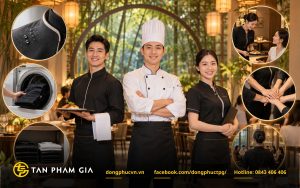
F&B employees regularly encounter food, grease, water, and other substances during daily operations. Restaurant uniforms should therefore be lightweight, practical, easy to clean, and suitable for frequent washing.
Fabric durability after repeated industrial or commercial washing should also be considered. Choosing appropriate materials at the beginning can help reduce replacement frequency over the long term.
Restaurant Uniform Ordering and Care Guide
After selecting the appropriate styles and fabrics, businesses should understand the production process and basic garment care requirements.
Restaurant Uniform Design and Manufacturing Process
Rather than selecting a ready-made design, businesses can develop restaurant uniforms according to their actual workforce structure and operational requirements.
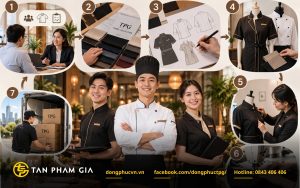
- Step 1 – Requirement Assessment: Discuss order quantity, employee groups, working environments, brand identity, and design preferences.
- Step 2 – Style & Fabric Recommendations: Tan Pham Gia recommends suitable uniform styles, fits, fabrics, and uniform solutions based on each project’s specific requirements. Depending on the project, businesses can explore fabric options from the TPG Fabric Collection™.
- Step 3 – Complimentary Design Development: Uniform designs are developed according to the company’s brand identity, employee requirements, and project specifications.
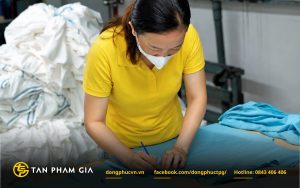
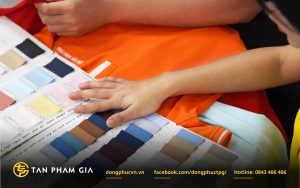
- Step 4 – Fabric and Sample Review: Businesses can review fabric options and physical samples before moving into bulk production.
- Step 5 – Sample Evaluation: Approved samples are reviewed for garment style, fit, construction, and agreed specifications.
- Step 6 – Bulk Production: Once the final sample is approved, production begins according to the confirmed specifications.
- Step 7 – Quality Control and Delivery: Finished garments undergo quality checks from incoming materials through finished products before nationwide delivery.
For repeat restaurant uniform orders, previously approved samples and specifications can be used as references for subsequent production. This helps maintain consistency in fabric, colors, fit, and overall garment appearance.
How to Keep Restaurant Uniforms Looking New
Even high-quality uniforms require proper care to maintain their appearance and service life.
Food stains, sauces, grease, and coffee should be treated as soon as possible to reduce the risk of permanent staining.
Dark-colored items such as aprons should ideally be washed separately from light-colored garments to reduce the risk of color transfer.
When drying uniforms, turning garments inside out can help reduce direct exposure of printed or embroidered branding to strong sunlight.
Ironing also requires care. Avoid placing a hot iron directly over printed logos.
This is particularly important for heat-transfer graphics, as excessive heat can damage the printed surface.
Consistent garment care can help restaurants extend uniform service life and reduce the frequency of replacement orders.
Frequently Asked Questions About Restaurant Uniforms
Questions 1. Which Fabric Is Best for Restaurant Uniforms?
There is no single fabric that is suitable for every restaurant position. Fabric selection should be based on the working environment and garment application.
For servers who move frequently, pique or suitable shirt fabrics can provide a balance of comfort and structure. For kitchen teams, durable and easy-care fabrics should be prioritized based on the actual kitchen environment and washing requirements.
Questions 2. What Types of Uniforms Do Restaurant Employees Wear?
Restaurant uniforms can generally be organized by department:
- Management: Blazers, shirts, waistcoats, or coordinated business attire.
- Hosts / reception: Shirts, professional dresses, or culturally inspired uniforms.
- Servers: Polo shirts, uniform shirts, aprons, or coordinated waistcoats.
- Kitchen: Chef jackets, hats, and bib aprons.
- Bartenders: Shirts, polo shirts, waistcoats, and aprons.
- Utility staff: Simple, breathable, easy-care work uniforms.
- Security: Shirts, trousers, caps, and identification details.
Questions 3. How Much Do Restaurant Uniforms Cost?
Restaurant uniform costs depend on fabric, garment style, order quantity, design complexity, and logo application requirements.
Different positions also require different garment configurations, so costs should be calculated based on the actual uniform program rather than a single standard price.
Questions 4. What Should Businesses Consider When Designing Restaurant Uniforms?
Three key considerations are:
- Fabric suitability for the working environment.
- Consistency between uniform colors and the restaurant’s brand concept.
- Appropriate fit and sizing for different employees.
Logo placement, branding techniques, garment construction, and ease of maintenance should also be considered as part of the overall uniform specification.
Questions 5. Which Restaurant Uniform Style Fits Different Restaurant Concepts?
Uniform styles should reflect the restaurant’s culinary concept, service model, and brand identity.
Vietnamese and Asian-inspired restaurants may incorporate ao dai, ao ba ba, or mandarin-collar designs.
European-style and fine-dining restaurants may use tailored shirts, blazers, waistcoats, and coordinated formal accessories.
Modern BBQ, casual dining, and fast-food concepts may be better suited to polo shirts or T-shirts combined with practical aprons.
Bulk Restaurant & Hotel Uniform Manufacturing at Tan Pham Gia
For large restaurant groups and F&B businesses, a uniform project needs to be coordinated across garment styles, fabrics, fit, production capacity, quality control, and future replenishment.
Tan Pham Gia accepts orders from 100 sets and provides access to the TPG Fabric Collection™, supported by an approximately 2,000 m² production facility with a capacity of around 30,000 garments per month.
Businesses can receive support throughout the process, including requirement consultation, design development, fabric selection, physical sampling, bulk production, and finished-garment quality control.
Restaurant groups, F&B chains, hospitality businesses, and multi-location operators can provide their workforce structure and uniform requirements so Tan Pham Gia can recommend suitable uniform configurations for each employee group.
- Hotline/Zalo: 0843 406 406
- Email: dongphuc@tanphamgia.com.vn
- Contact: dongphucvn.vn/en/contact
>>> Read More Related Articles:
- #1 Office Uniform Solutions to Elevate Your Corporate Image
- Workwear Uniforms: Solutions for Factories, Production Facilities & Technical Teams